Loading...
Serving Hialeah, FL and surrounding areas. (645) 300-7796
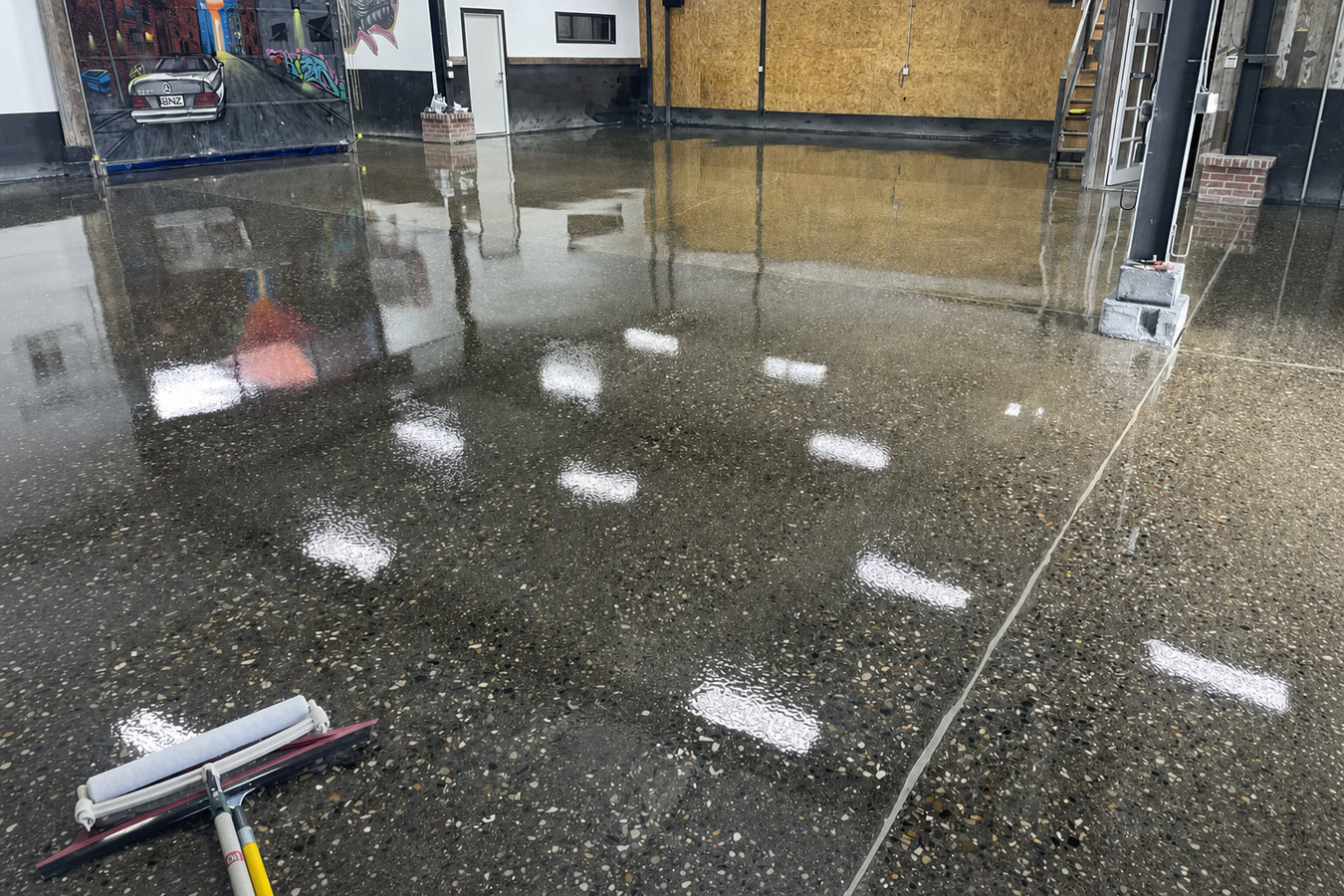
Cracked, stained, or worn-out concrete? A properly applied overlay restores driveways, patios, and pool decks at a fraction of full-replacement cost - without tearing out what is already there.
Concrete resurfacing in Hialeah means applying a thin new layer of bonded material over your existing concrete, restoring the surface without tearing anything out. Most driveways and patios are completed in one day, with a 24- to 48-hour wait before you can use the surface again.
If your concrete is cracked, stained, or just looks worn but is still structurally sound underneath, resurfacing extends its life at a fraction of full-replacement cost. Much of Hialeah was built out in the 1950s through 1980s, which means a large share of driveways and patios in the city are 40 to 70 years old - the right age for this kind of work when the base is solid. Before any overlay goes down, the surface needs proper preparation. For concrete with deeper damage or old failed coatings, self-leveling concrete is sometimes the right first step to get a flat, stable base.
A contractor who skips surface preparation - pressure washing, grinding, crack repair, and moisture testing - is setting the overlay up to fail within the first rainy season. That step matters more here than almost anywhere else in the country.
If the top layer of your driveway or patio has started to chip away in thin flakes, that is scaling - a sign the surface has been broken down by years of heat, UV, and rain cycles that are especially intense in Hialeah. It usually gets worse each rainy season if left alone. Resurfacing stops the deterioration and gives you a fresh, durable surface without removing the whole slab.
A web of small cracks that looks like cracked mud is common on older South Florida concrete. The combination of heat expansion and heavy rain puts constant stress on surfaces over decades. These cracks are usually shallow, but they let water in and speed up further damage. Resurfacing fills and covers them while adding a new protective layer on top.
If you find yourself tiptoeing across your pool deck in summer because the surface is painfully hot, the finish has worn down and the concrete is absorbing heat rather than reflecting it. A resurfacing job with a light-colored or textured finish can make a real difference in surface temperature - something Hialeah homeowners who use their outdoor spaces in July notice right away.
Years of oil drips, rust from metal furniture, algae growth, and tire marks can permanently stain concrete that has lost its sealer. If pressure washing has not made a dent, the staining has worked into the surface. Resurfacing covers the discoloration completely and gives you a clean, uniform look without tearing anything out.
We offer several overlay types depending on what the surface needs and how you want it to look. A plain resurfacing overlay gives you a clean, uniform finish that is significantly tougher than old deteriorated concrete - the right choice when the goal is durability and a fresh appearance at a practical cost. Stamped overlays mimic the look of stone, brick, or tile on top of existing concrete, making them a popular choice for pool decks and covered patios where appearance matters as much as function. For pool decks in particular, we pair every overlay with a non-slip finish as standard practice - a smooth sealed surface around a pool is a safety hazard. When you also need to lock in color or add decorative texture, pool deck coatings and resurfacing covers the full range of finishes designed specifically for that environment.
Every job includes surface preparation as the first and most important step: pressure washing, grinding any high spots, patching cracks, and moisture-barrier application when needed. The American Concrete Institute sets the standards for surface preparation and overlay bonding that guide how we approach every project. A written estimate covers all of this before any work starts.
Suits driveways, walkways, and any surface where a clean, uniform finish and restored durability are the priority.
Suits patios, pool decks, and covered outdoor spaces where a stone, brick, or tile appearance is wanted without the cost of real pavers.
Suits any surface where matching your home's color scheme or creating a distinctive look matters alongside the functional restoration.
Suits pool decks and wet outdoor areas where a textured, slip-resistant finish is required for safety alongside fresh appearance.
Hialeah sits in Miami-Dade County, where UV radiation is among the highest in the continental United States and average summer highs exceed 90 degrees for months at a stretch. That intensity breaks down concrete sealers faster than almost anywhere else - which means unprotected overlays deteriorate quickly and need to be installed with UV-rated materials and sealed properly from day one. On top of that, Miami-Dade averages around 60 inches of rain per year, with the bulk falling in intense afternoon storms between June and October. Concrete that does not drain correctly holds standing water, which works its way under overlays and causes them to bubble or delaminate. A contractor who grades the surface correctly during resurfacing is doing something that directly protects your investment through every rainy season. The South Florida Water Management District documents the high-water-table conditions across Miami-Dade that make moisture management a non-negotiable part of any concrete overlay project here.
We resurface concrete throughout the area, including in Opa-locka, where older residential properties see the same aging concrete conditions as Hialeah, and in Miami Gardens, where pool decks and driveways take the same beating from South Florida heat and rain year after year.
We ask a few basic questions about the surface and schedule a free on-site visit. We do not quote prices over the phone without seeing the concrete - the condition of the existing surface makes too big a difference in what the job involves. Expect a reply within one business day.
We check the concrete in person - cracks, soft spots, drainage, and any signs of moisture coming up from below. We walk through finish options with you: color, texture, decorative effects. You receive a written estimate covering prep, materials, and labor before any work is scheduled.
The crew starts by pressure washing, grinding high spots, filling cracks, and testing for moisture - especially important in Hialeah's high-water-table environment. We apply a moisture barrier when needed. Prep often takes the bulk of the first day on older surfaces, and that is time well spent.
Once the surface is clean and repaired, the resurfacing material goes down. Stamping or texturing happens while the material is still workable. A sealer is applied as the final step. We walk the surface with you at completion and explain the resealing schedule for South Florida's climate.
Free on-site estimate. Written quote before any work starts. No pressure.
(645) 300-7796Hialeah's high water table means moisture can push up through a slab from below and destroy an overlay from the inside out. We test every surface before applying anything and use a moisture barrier when the test calls for it. Skipping this step is the main reason resurfacing jobs fail early here.
Many Hialeah slabs are 40 to 60 years old and need more prep than a newer pour. We grind, patch, and clean to a standard that gives the overlay a proper base to bond to. A crew that rushes prep to save time is the reason you see peeling overlays after the first rainy season.
Miami-Dade County has some of the most detailed building requirements in the state. We know what triggers a permit for resurfacing work near pool enclosures or drainage alterations, and we handle that process when it applies - so you are not facing fines or complications when you sell your home. Verify any Florida contractor's license at myfloridalicense.com.
You receive a written quote covering prep, materials, and labor before we schedule the job. If something unexpected comes up during prep - moisture barrier needed, deeper cracks than visible on the surface - we tell you before we proceed, not after. No surprise final bills.
Each of these points comes down to the same thing: doing the job in a way that holds up through South Florida weather. Any overlay looks good the day it is installed - the difference shows up after the first rainy season.
Fills low spots and uneven floors with a pourable material that finds its own level - often the right first step before a decorative overlay.
Learn MoreRestores pool decks, spa surrounds, and outdoor slabs with coatings and overlays rated for constant water exposure and South Florida sun.
Learn MoreSummer heat is one of the hardest things on South Florida concrete - lock in your project before the next rainy season arrives.